
The choices people make at home shape larger environmental outcomes more than many realize. One everyday product often overlooked is toilet paper. While it may seem like a small detail, switching to sustainable toilet paper can reduce waste, protect forests, and support healthier manufacturing practices. Beyond the obvious benefits, there are many lesser-known facts that make this option even more compelling.
This article shares twelve surprising facts that highlight why this eco-conscious alternative matters, how it works, and what sets it apart from standard options on the market.
Key Takeaways
Sustainable paper products reduce pressure on forests and water systems
Bamboo and recycled fibers require fewer natural resources
Manufacturing methods play a major role in environmental impact
Skin safety and comfort can improve with cleaner materials
Packaging choices affect long-term waste levels
1. Bamboo Can Grow Faster Than Trees by a Huge Margin
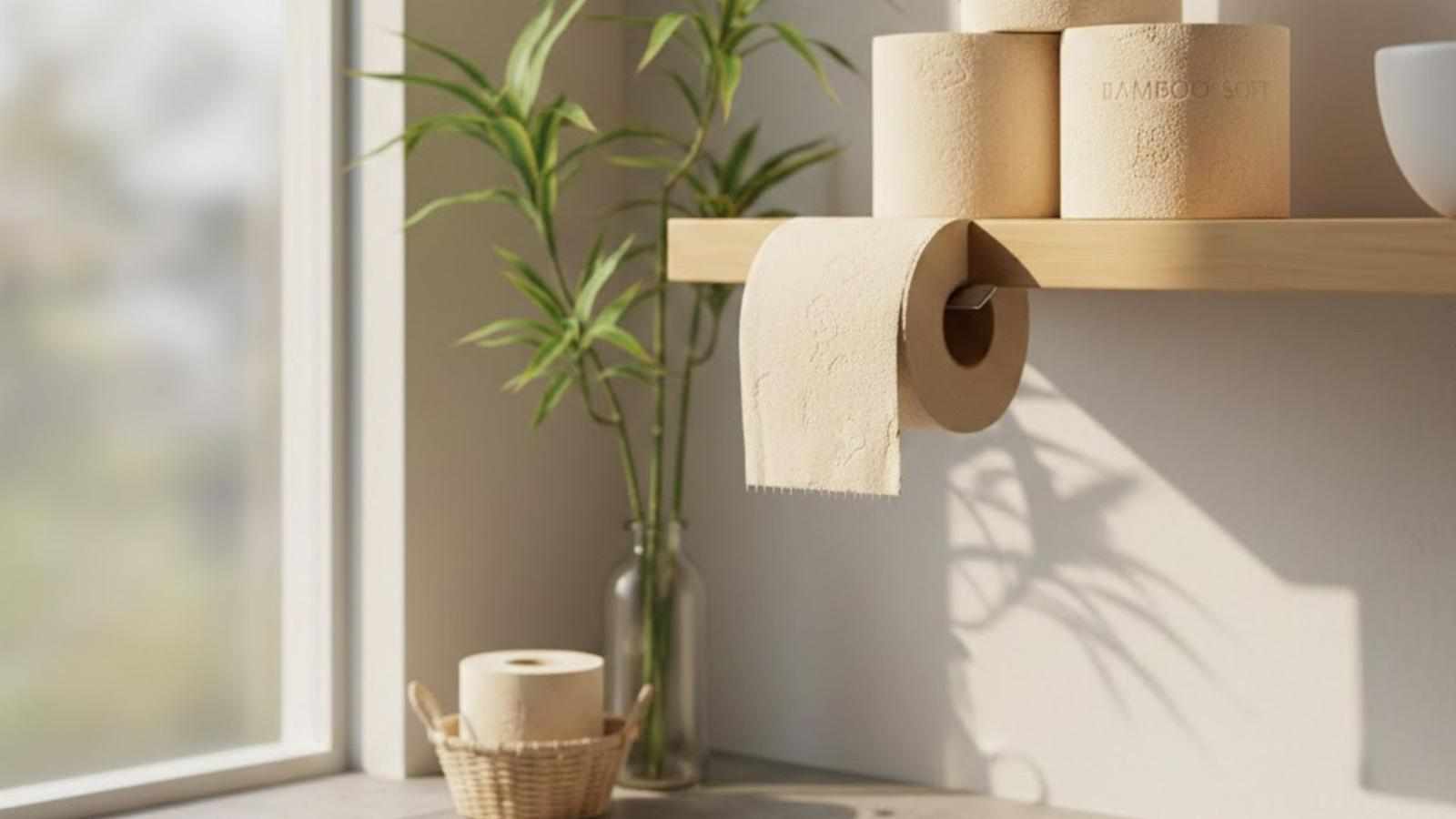
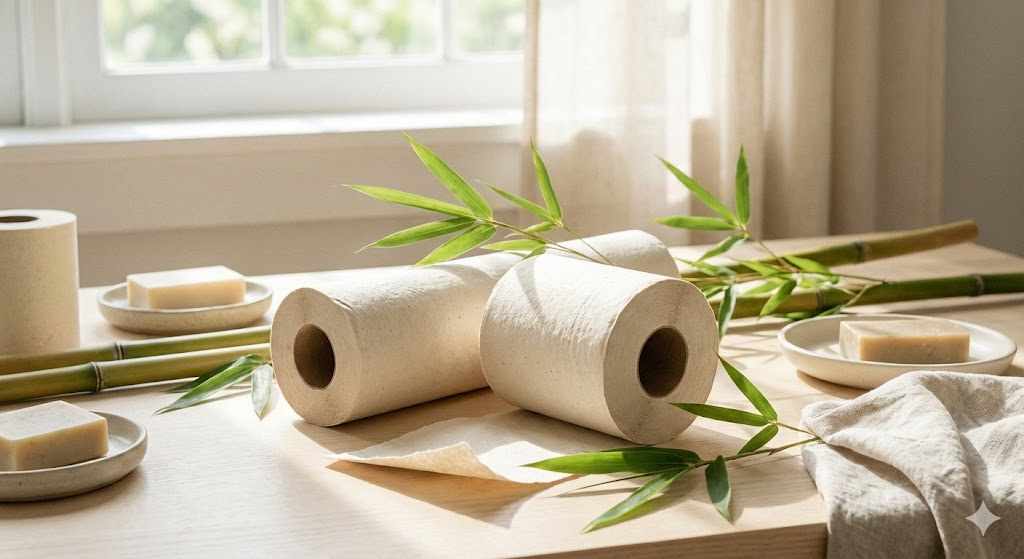
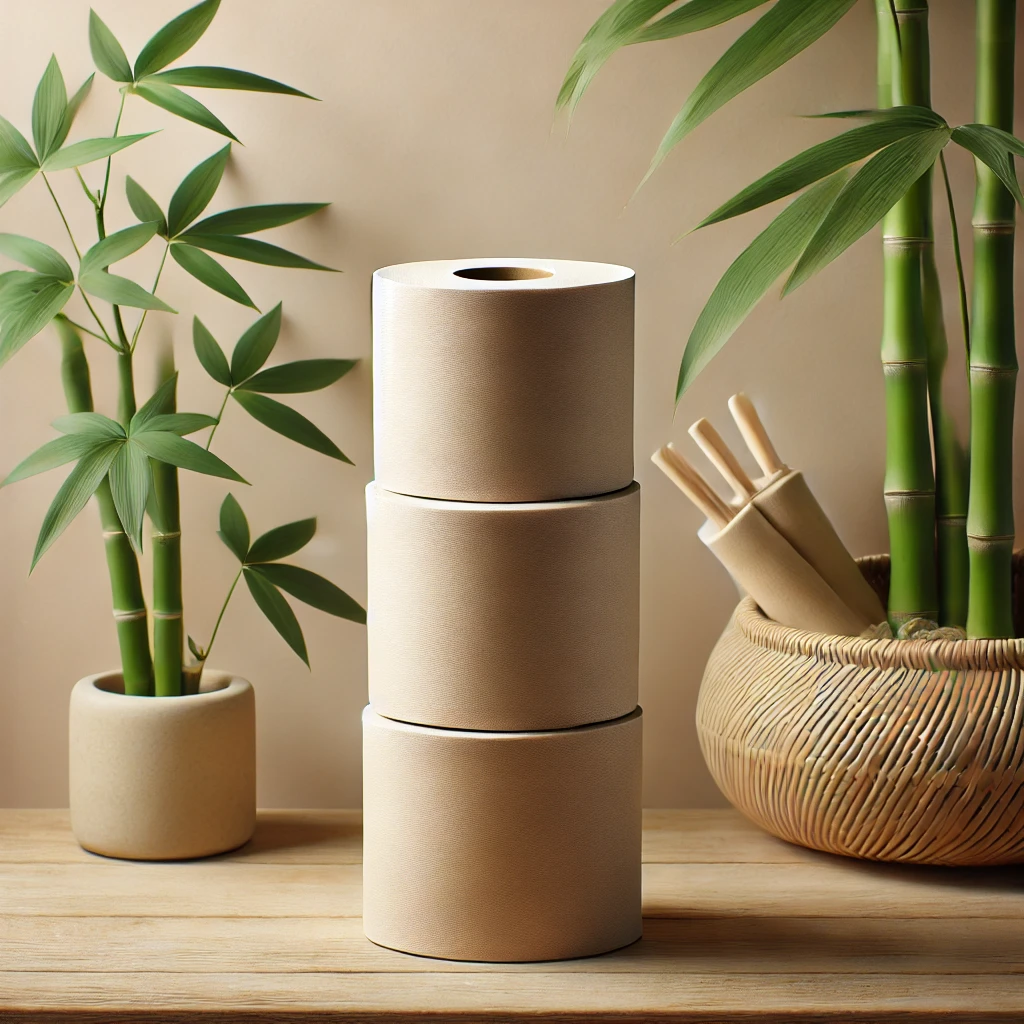
One of the most surprising facts is how fast bamboo grows. Some species grow more than three feet in a single day. Traditional trees used for paper take decades to mature, but bamboo regenerates rapidly after harvesting. This growth speed allows manufacturers to produce paper without permanent land damage, making bamboo-based toilet paper a renewable option that supports long-term supply without deforestation.
2. It Uses Less Water During Production
Paper production often consumes large volumes of water. Sustainable alternatives typically rely on processes that significantly reduce water usage. Bamboo fibers separate more easily than wood fibers, which lowers the amount of water required during pulping. This efficiency helps preserve freshwater resources and reduces strain on local ecosystems near manufacturing facilities.
3. Fewer Chemicals Touch Your Skin
Many standard toilet papers rely on bleaching agents and added fragrances. Sustainable toilet paper usually skips harsh chemicals in favor of safer processing methods. By avoiding chlorine bleach and synthetic dyes, manufacturers reduce environmental pollution while creating a gentler product that works well for sensitive skin.
4. Recycled Fibers Can Be Surprisingly Soft
There is a long-standing myth that recycled paper always feels rough. Modern processing techniques have changed that reality. Advanced fiber refinement allows recycled materials to feel smooth while still maintaining strength. This improvement proves that comfort and responsibility can coexist without compromise.
5. It Helps Reduce Carbon Emissions
Forests act as carbon sinks, absorbing greenhouse gases from the atmosphere. When trees get cut down for paper, that stored carbon releases back into the air. Sustainable toilet paper reduces reliance on slow-growing trees and often uses materials with a lower carbon footprint. This shift supports climate balance and lowers overall emissions tied to daily household use.

6. Packaging Matters as Much as the Product
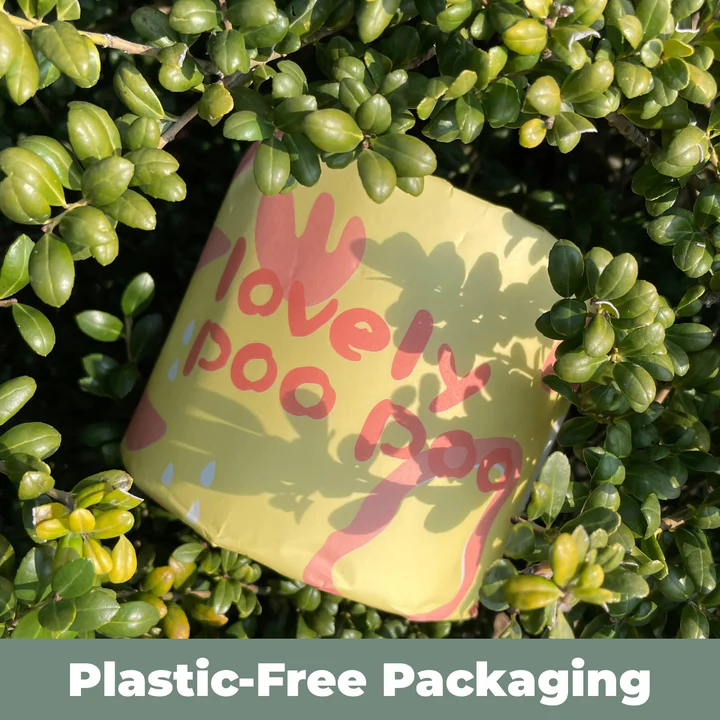
An overlooked fact is how much packaging contributes to waste. Many sustainable brands choose plastic-free or recyclable wrapping. This approach prevents unnecessary landfill buildup and reduces ocean pollution. Thoughtful packaging ensures the environmental benefits extend beyond the paper itself.
7. Manufacturing Can Support Ethical Labor Practices
Sustainable production often goes hand in hand with responsible labor policies. Many eco-focused manufacturers prioritize safe working conditions and fair wages. Choosing toilet paper made under these standards helps support ethical supply chains rather than exploitative mass production.
8. Bamboo Thrives Without Pesticides
Unlike traditional tree farms, bamboo grows naturally resistant to pests. Farmers rarely need chemical pesticides to protect crops. This natural resistance keeps soil healthier and prevents toxic runoff from entering waterways, creating safer agricultural cycles.
9. It Breaks Down Faster After Use
Sustainable toilet paper often breaks down more efficiently in water. Faster disintegration reduces the risk of plumbing blockages and supports septic systems. This quality also benefits wastewater treatment facilities by easing filtration processes and reducing maintenance demands.
10. Certifications Add Real Accountability
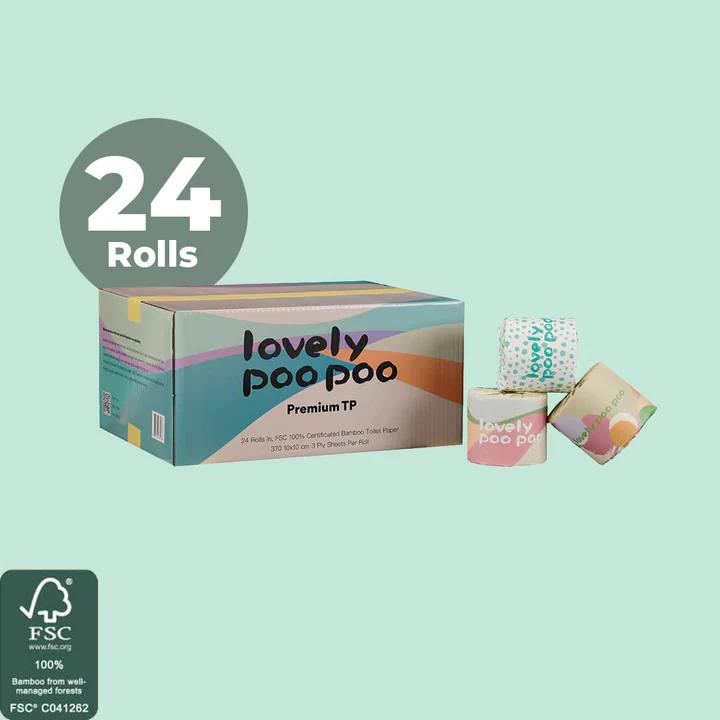
Many eco-friendly paper products carry third-party certifications that verify responsible sourcing and manufacturing. These labels ensure transparency and prevent misleading claims. Certifications give buyers confidence that the product meets environmental standards rather than relying on marketing language alone.
11. Small Household Changes Add Up Quickly
A single household switching to sustainable toilet paper may seem insignificant, but collective action creates measurable impact. Millions of homes making the same choice can save countless trees, reduce water waste, and lower emissions year after year. This ripple effect turns everyday habits into powerful environmental tools.
12. Best Reusable Toilet Paper Offers a Zero-Waste Option
Perhaps one of the most surprising shifts in bathroom habits is interest in best reusable toilet paper. These cloth-based wipes can replace up to 100% of disposable rolls in some homes. While not suitable for everyone, especially where wastewater systems struggle, reusable cloth options offer significant waste reduction. After use, cloth wipes can go into a laundry cycle, cutting down demand for single-use products entirely.
A Better Choice for Everyday Living
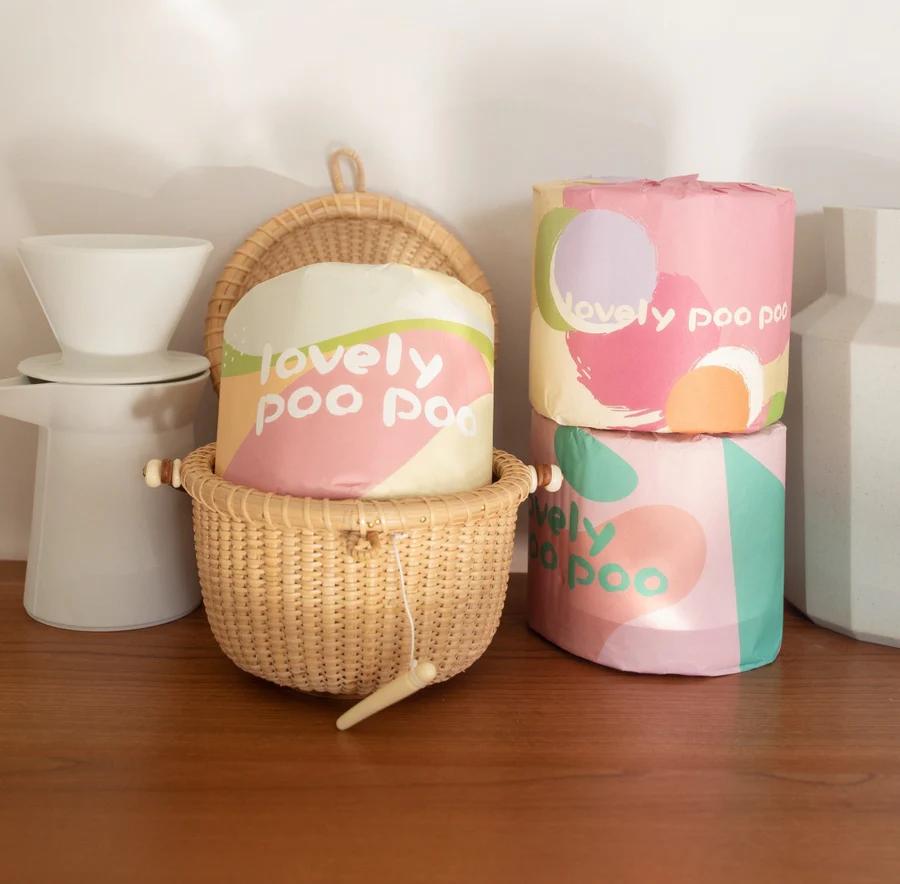
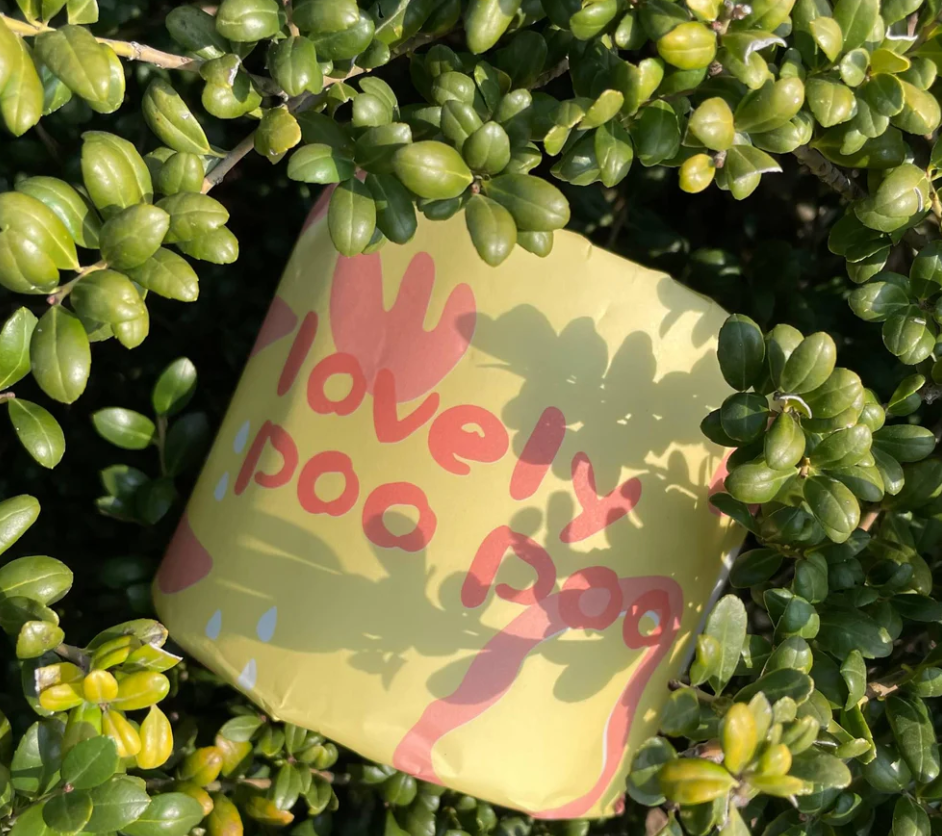
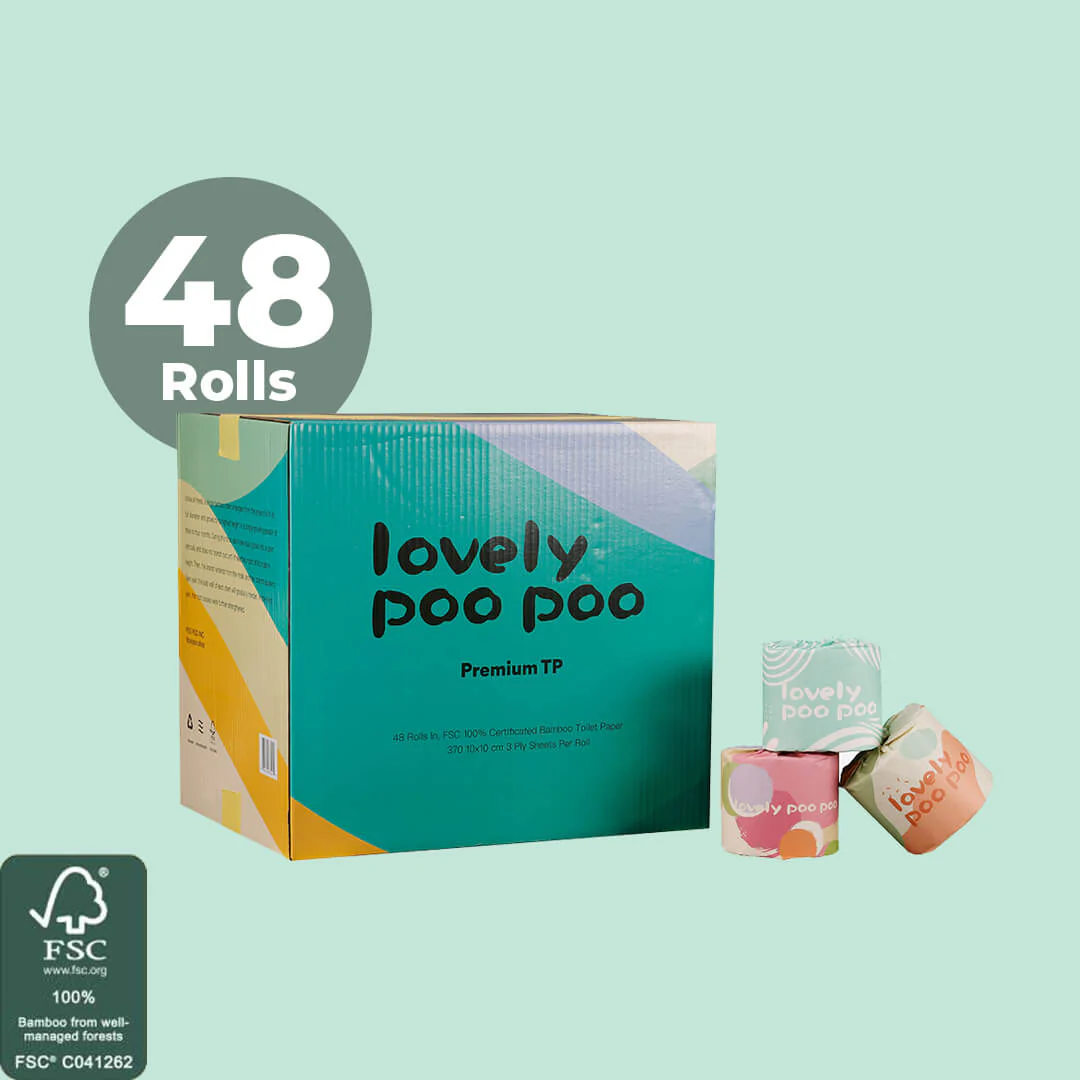
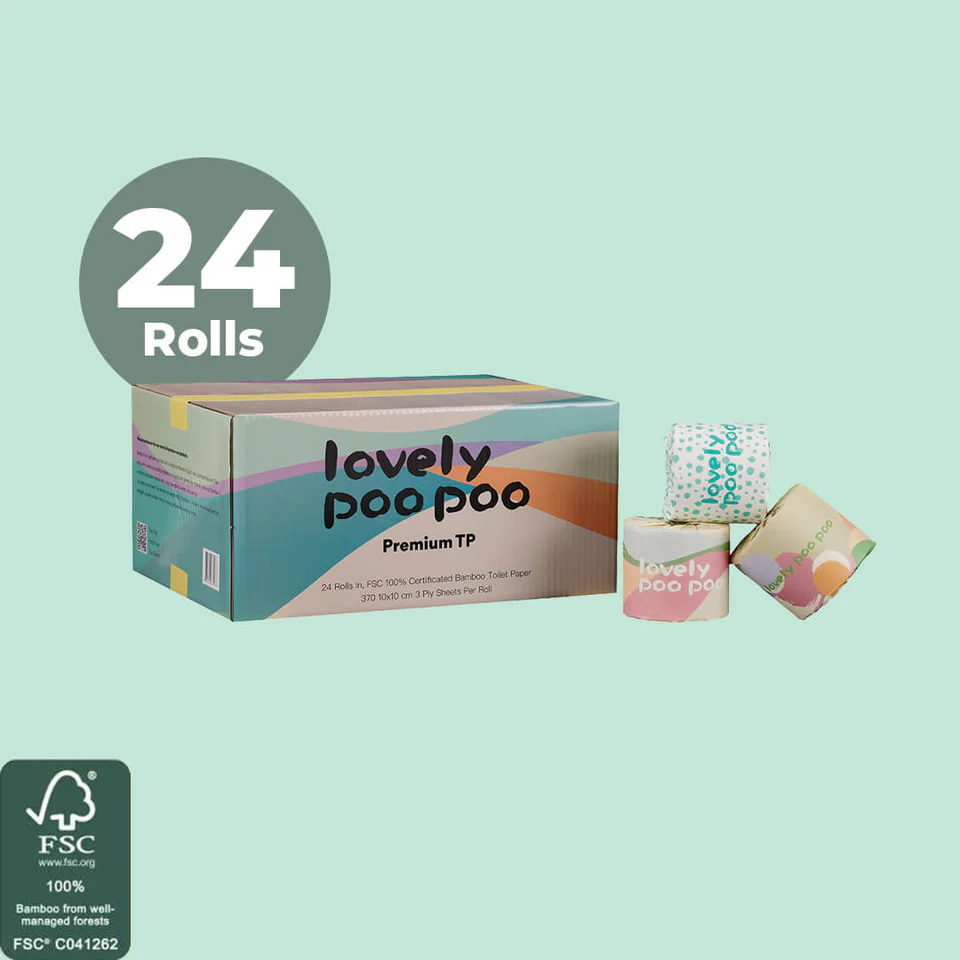
Making thoughtful choices at home creates long-term benefits without disrupting daily routines. Products like toilet paper may feel routine, yet they offer meaningful opportunities to reduce environmental strain. Brands such as Lovely Poo Poo focus on responsibly sourced materials and cleaner manufacturing while maintaining comfort and quality. By choosing sustainable toilet paper, households support healthier ecosystems and more responsible production systems.
Frequently Asked Questions
What makes toilet paper sustainable?
Sustainable options rely on renewable or recycled fibers, reduced chemical use, and efficient manufacturing that limits water and energy consumption.Is bamboo toilet paper safe for sensitive skin?
Yes. Most bamboo-based products avoid harsh additives, making them suitable for people with skin sensitivities.
Does eco-friendly toilet paper work with septic systems?
Many sustainable papers break down quickly in water, which supports septic system performance and reduces clogging risks.
Is recycled toilet paper hygienic?
Recycled fibers undergo high-temperature processing and strict sanitation standards, ensuring safety and cleanliness.
How often should households switch to sustainable options?
Households can switch immediately without changing usage habits, making it one of the easiest eco-friendly upgrades.


Write a comment ...