
Small daily habits shape personal comfort and environmental impact more than most people realize. One item used every single day plays a bigger role than expected: toilet tissue. The Bamboo Toilet Tissue Roll has gained attention because it offers a smarter balance between performance, health, and sustainability. As households look for cleaner, greener alternatives, bamboo-based tissue rolls stand out as a thoughtful upgrade for both people and the planet.
Unlike traditional paper products, bamboo toilet tissue focuses on renewal, safety, and long-term benefits. From reduced chemical exposure to lower strain on forests, bamboo tissue shifts everyday hygiene toward a more responsible direction without sacrificing comfort.
Key Takeaways
Bamboo toilet tissue grows faster and regenerates without replanting
Bamboo-based rolls reduce pressure on forests and water resources
Chemical-free processing supports sensitive skin
Bamboo fibers offer strength without excessive thickness
Biodegradable material supports safer plumbing and septic systems
Eco-conscious production lowers carbon impact
Bamboo tissue aligns comfort with environmental responsibility
Bamboo Grows Fast and Renews Naturally
Bamboo holds one of the fastest growth rates among plants. Some species grow several feet in a single day. Harvesting bamboo does not kill the plant, which means producers can collect raw material without clearing land or replanting crops.
This rapid renewal supports consistent supply while limiting habitat disruption. Trees, by comparison, take decades to mature. When paper production relies on slow-growing trees, forests suffer long-term damage. Bamboo avoids this cycle by offering a renewable source that keeps ecosystems intact.
Using bamboo toilet tissue directly reduces dependence on forest logging and supports a healthier balance between production and nature.
Lower Environmental Impact Starts at the Source
Paper manufacturing often consumes massive amounts of water and energy. Bamboo processing typically requires less water due to the plant’s naturally long fibers. These fibers break down more efficiently during pulping, which lowers overall resource use.
Many bamboo tissue producers avoid harsh bleaching agents, further cutting down on water pollution. Cleaner manufacturing means fewer toxins enter rivers, soil, and surrounding communities.
Choosing bamboo toilet tissue supports production methods that prioritize efficiency without environmental harm.

Safer for Skin and Sensitive Areas
Skin health matters, especially in areas exposed to friction and moisture. Bamboo fibers naturally resist bacteria and mold growth, which helps maintain hygiene without added chemicals.
Many bamboo toilet tissue rolls avoid chlorine bleach, dyes, and artificial fragrances. These substances often irritate sensitive skin and trigger discomfort for children and adults alike. Bamboo tissue relies on clean fiber strength rather than chemical treatments.
This gentle composition makes bamboo-based rolls suitable for daily use while reducing the risk of irritation or allergic reactions.
Strength Without Harsh Thickness
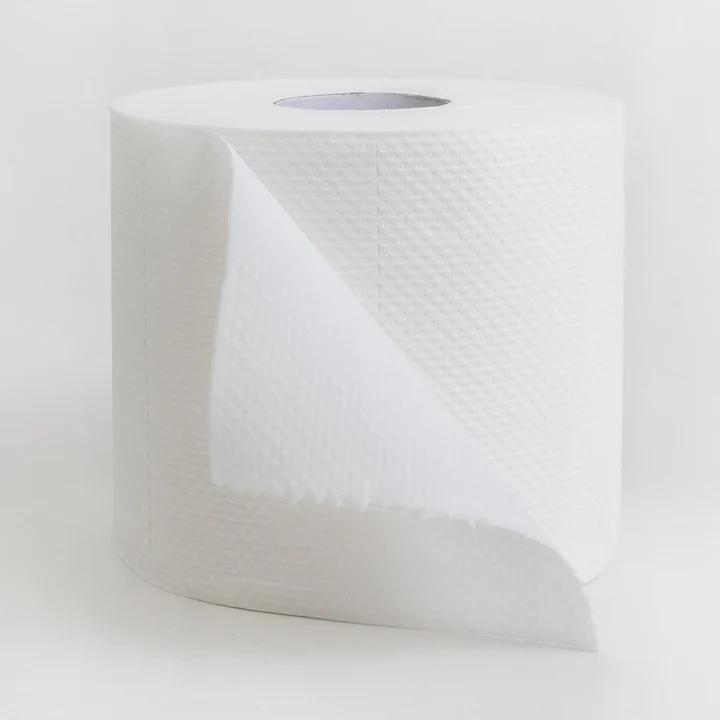
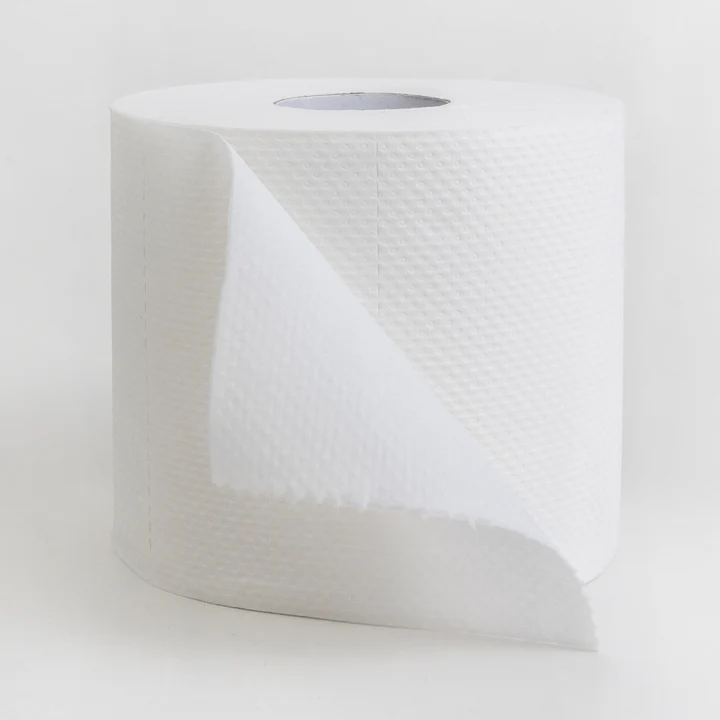
Softness matters, but durability matters just as much. Bamboo fibers provide a natural balance between the two. Long fiber strands interlock during production, creating sheets that resist tearing while staying smooth to the touch.
Thicker does not always mean better. Overly bulky tissue often clogs plumbing systems and septic tanks. Bamboo toilet tissue offers strength without unnecessary layers, which allows it to break down properly after flushing.
That balance protects household plumbing while delivering dependable performance.
Biodegradable and Septic-Safe Performance
Waste disposal plays a major role in environmental health. Bamboo fibers break down faster than many tree-based alternatives, which helps reduce blockages and buildup in pipes and sewage systems.
Septic systems benefit greatly from bamboo tissue because it dissolves efficiently after use. Faster breakdown reduces maintenance issues and supports wastewater treatment processes.
This biodegradable quality ensures that bamboo toilet tissue supports sanitation systems instead of stressing them.
Reduced Carbon Footprint Over Time
Bamboo absorbs more carbon dioxide and releases more oxygen than many tree species. Its rapid growth cycle allows bamboo forests to capture carbon continuously, helping offset emissions generated during production and transportation.
Manufacturers that focus on bamboo tissue often adopt low-impact processes, which further lowers overall emissions. When combined with renewable sourcing, bamboo toilet tissue supports a smaller environmental footprint throughout its life cycle.
Every roll used contributes to less strain on the planet’s carbon balance.
Less Land Disruption, More Biodiversity
Deforestation disrupts wildlife habitats and contributes to soil erosion. Bamboo harvesting avoids these issues because the plant regenerates from its root system. The surrounding environment remains stable, allowing animal and plant life to thrive.
Bamboo cultivation often supports mixed-use landscapes rather than large-scale land clearing. This method helps preserve biodiversity and protects soil quality over time.
Sustainable land use begins with smarter material choices, and bamboo tissue plays a direct role in that shift.
Cleaner Indoor Air and Home Environment
Household products influence indoor air quality more than many people expect. Heavily processed paper products may release residual chemicals, especially in humid environments like bathrooms.
Bamboo toilet tissue typically contains fewer additives, which keeps indoor air cleaner and reduces chemical exposure. This benefit supports healthier living spaces, especially for families with children or individuals with respiratory sensitivities.
A cleaner home starts with simpler materials.
Responsible Packaging Choices
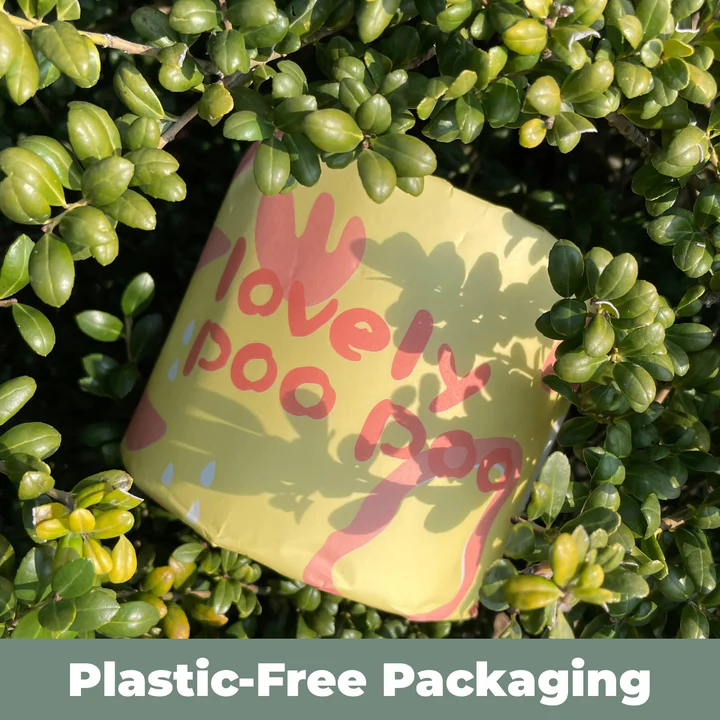
Many bamboo tissue brands pair their products with plastic-free or recyclable packaging. This choice limits waste beyond the product itself and supports a full-cycle approach to sustainability.
Reducing plastic packaging cuts down on landfill waste and ocean pollution. Bamboo tissue wrapped in paper-based materials reinforces the commitment to environmental responsibility from start to finish.
Packaging matters just as much as the product inside.
Ethical Production Practices
Bamboo production often supports ethical labor practices due to its regional cultivation and manageable harvesting methods. Smaller-scale farms and controlled production environments reduce the risk of exploitative labor conditions.
Responsible sourcing ensures fair wages, safer working conditions, and stronger local economies. Choosing bamboo toilet tissue supports industries that value both people and nature.
Ethical choices add meaning to everyday routines.
A Smarter Standard for Everyday Comfort
Bathroom essentials should support comfort without compromising values. Bamboo toilet tissue proves that sustainability and quality can coexist. Strong fibers, gentle texture, and responsible sourcing combine to form a product that performs well while protecting the planet.
For households seeking balance between hygiene and environmental care, bamboo-based rolls set a higher standard for everyday use.
A Thoughtful Choice for Modern Homes
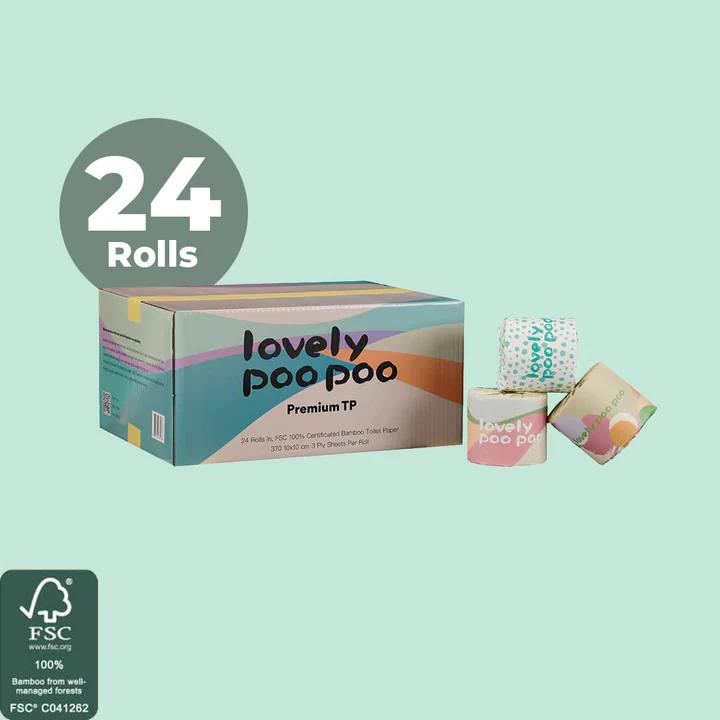
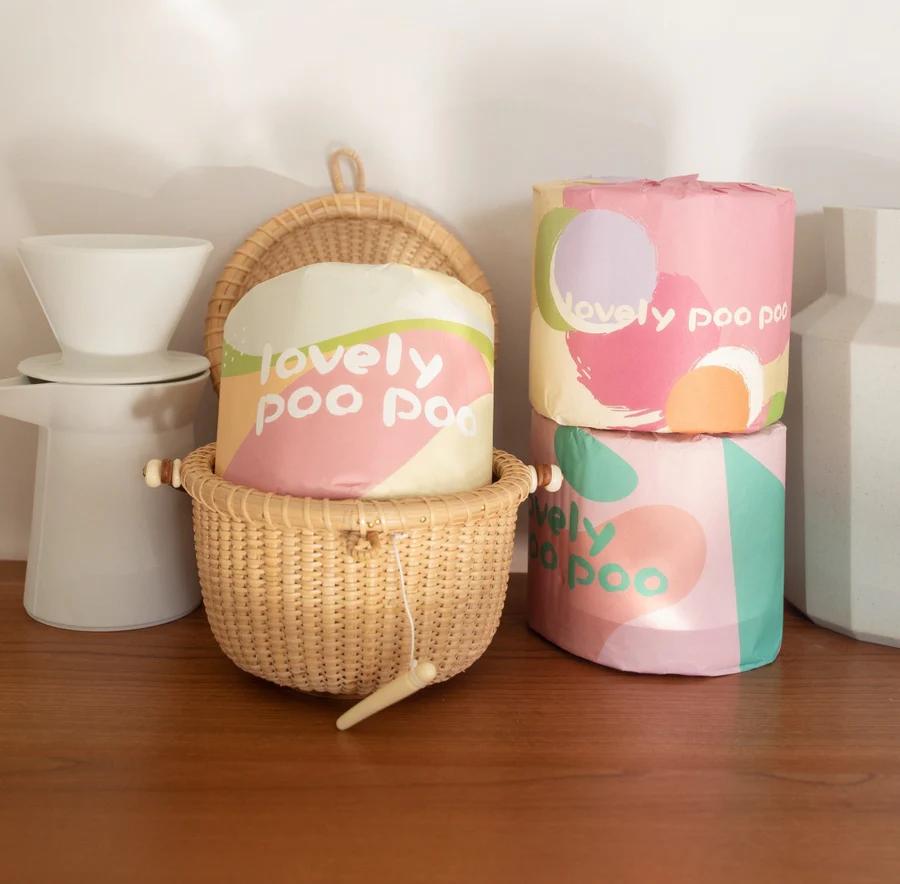
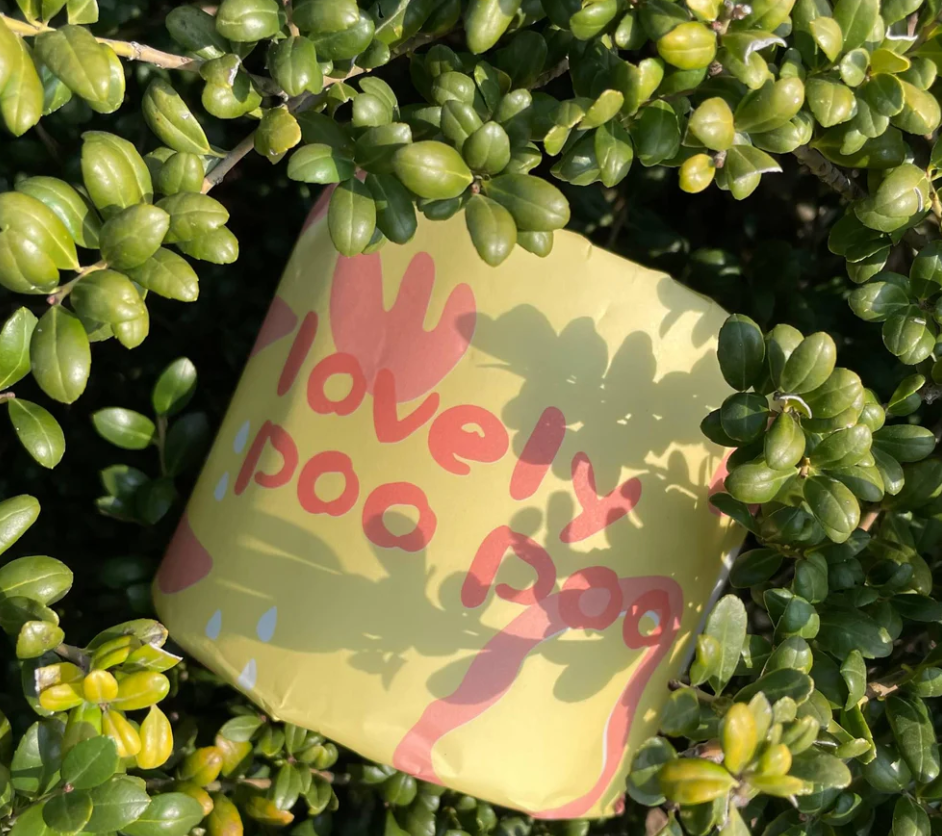
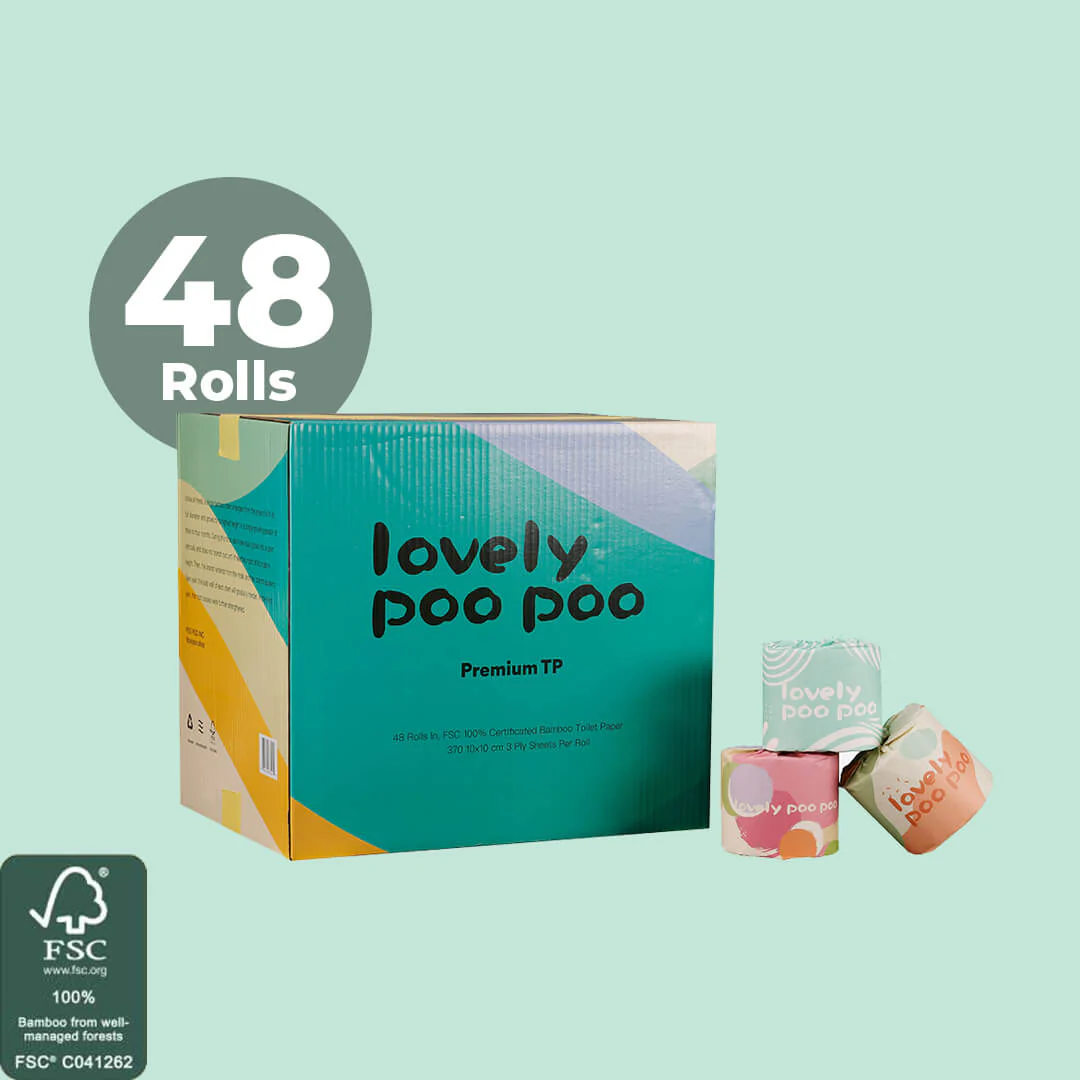
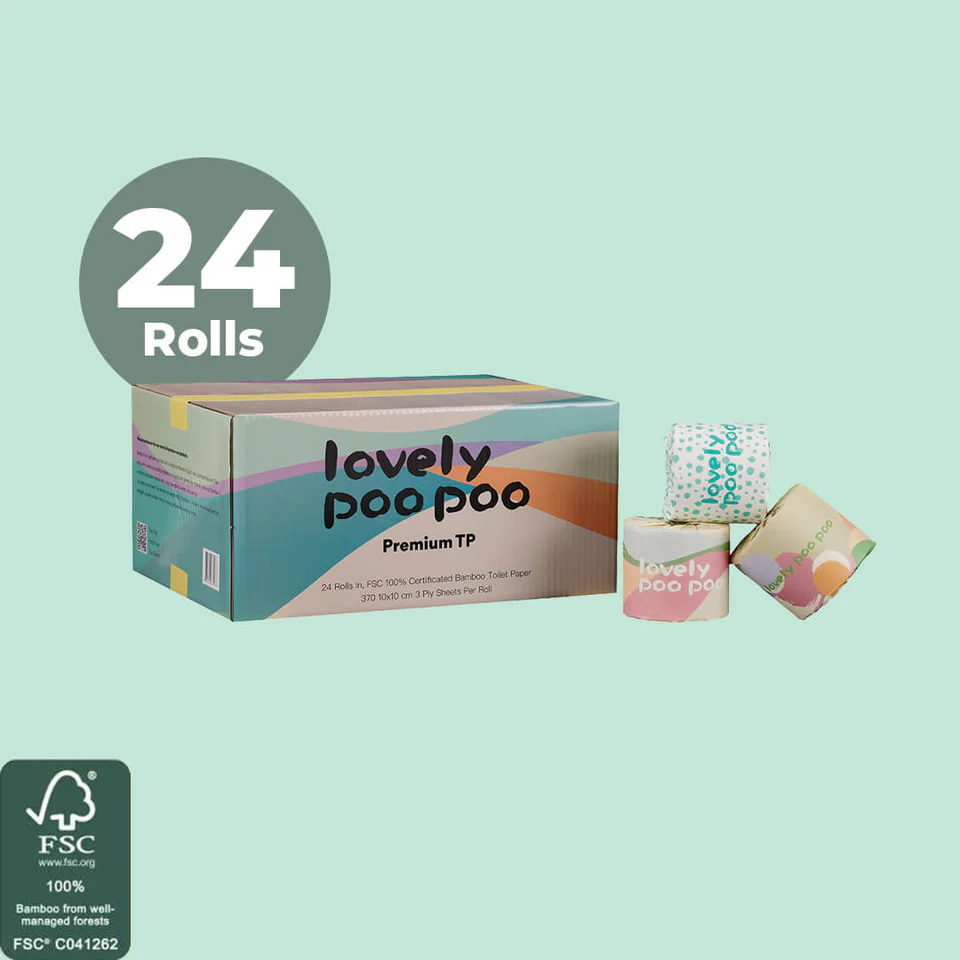
Many eco-focused households now choose bamboo tissue as a long-term solution. Brands like Lovely Poo Poo reflect this shift by focusing on renewable materials, skin-safe processing, and environmentally responsible production. Their approach shows how simple swaps can support both personal comfort and environmental well-being without sacrificing performance.
Why This Shift Matters Now
Environmental strain continues to grow as resource demand rises. Everyday products offer one of the easiest ways to reduce personal impact without major lifestyle changes.
Switching to bamboo toilet tissue supports forest protection, water conservation, and cleaner manufacturing practices. When adopted widely, these changes influence supply chains and encourage better standards across industries.
Sustainable living often begins with the smallest choices.
A Better Direction for Daily Essentials
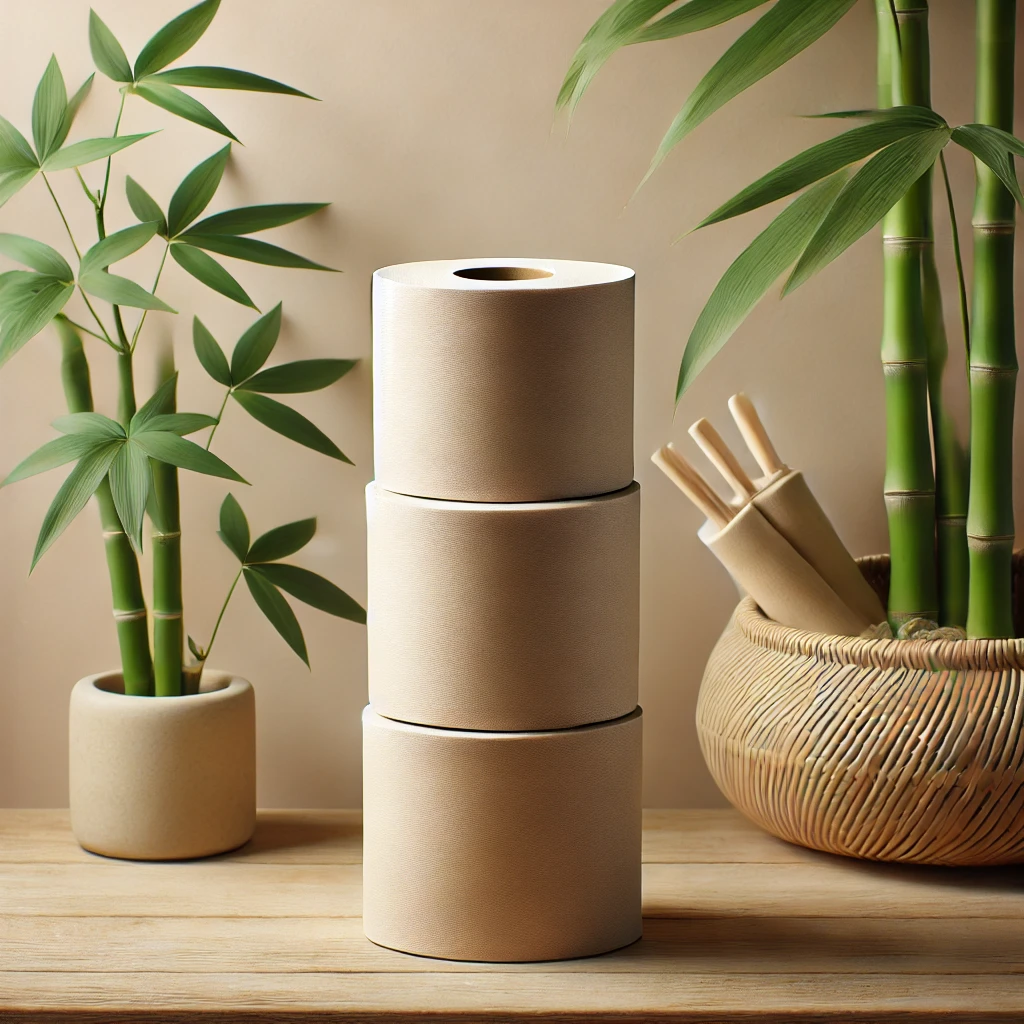
The BAMBOO TOILET TISSUE ROLL represents progress in how households think about hygiene, comfort, and responsibility. It replaces wasteful systems with renewable solutions while maintaining the quality people expect.
Brands such as Lovely Poo Poo highlight how bamboo tissue fits seamlessly into daily routines while supporting long-term environmental goals. This shift shows that thoughtful choices can shape a cleaner future without compromise.
Frequently Asked Questions
Is bamboo toilet tissue safe for sensitive skin?
Yes. Bamboo tissue typically avoids harsh chemicals and artificial fragrances, making it suitable for sensitive skin and everyday use.
Does bamboo toilet tissue feel rough?
No. Bamboo fibers produce a smooth, soft texture while maintaining strength, offering comfort comparable to premium paper products.
Can bamboo toilet tissue clog plumbing?
Bamboo fibers break down efficiently in water, which supports plumbing systems and septic tanks when used as directed.
How does bamboo tissue help the environment?
Bamboo grows rapidly, regenerates naturally, requires fewer resources, and supports lower emissions during production.
Is bamboo toilet tissue biodegradable?
Yes. Bamboo tissue decomposes faster than many traditional options, reducing waste buildup in sewage systems.
Does bamboo toilet tissue last as long as regular rolls?
Bamboo rolls often last longer due to fiber strength, even with fewer layers per sheet.


Write a comment ...